
Best Touchless Faucets for Commercial Restrooms: A Specifier’s Guide
The best touchless faucets for commercial restrooms are not chosen by brand recognition alone. For architects, engineers, owners, and facility teams, the stronger question is whether the faucet assembly can meet accessibility, water-use, hygiene, commissioning, maintenance, and duty-cycle expectations in the actual building type.
This publication-ready guide is written for the AEC industry and for keyword intent around aviation faucet engineering, airport terminal restrooms, high-traffic public buildings, institutional washrooms, and other commercial spaces where sensor faucet performance must be specified, verified, and maintained.

Visual Specification Frames
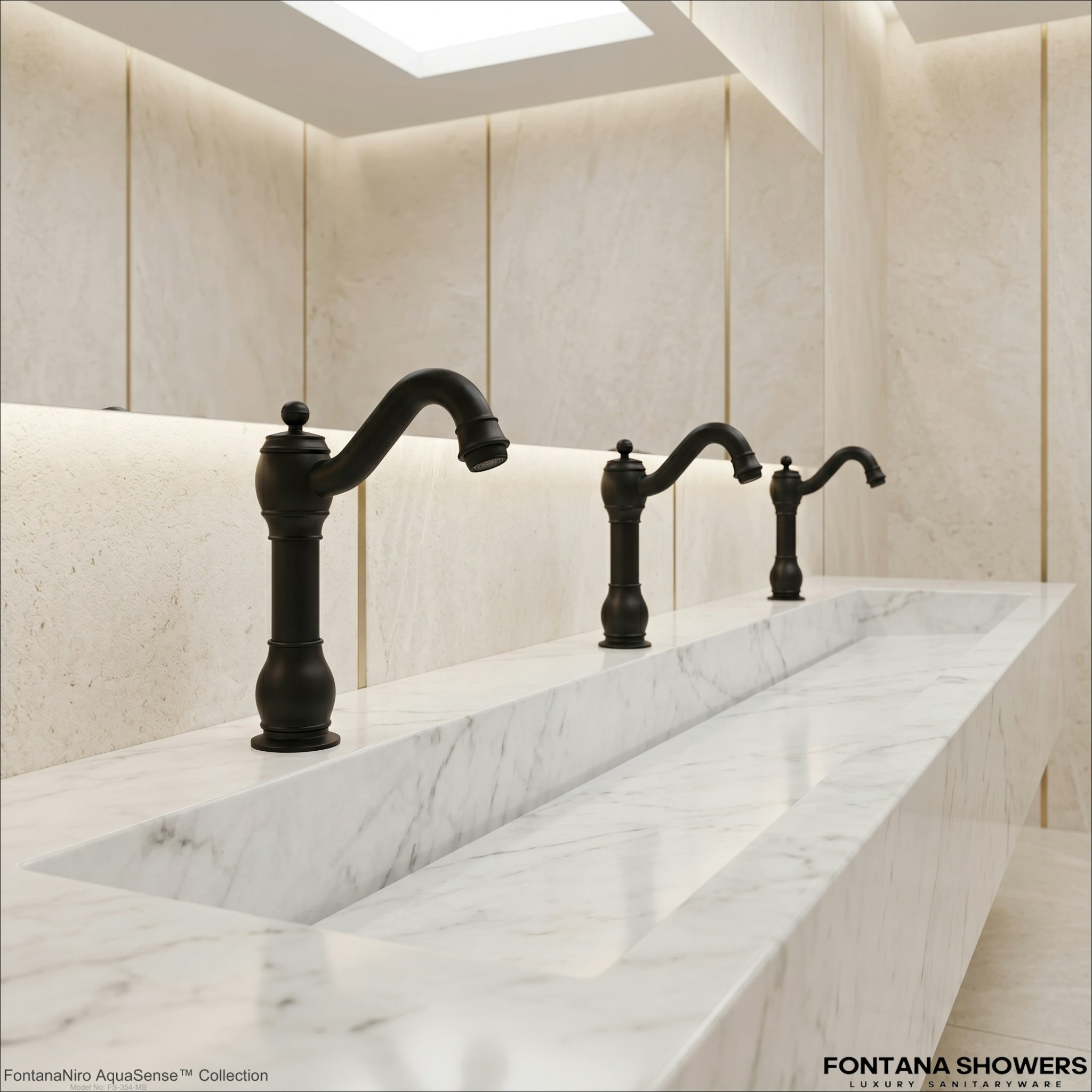
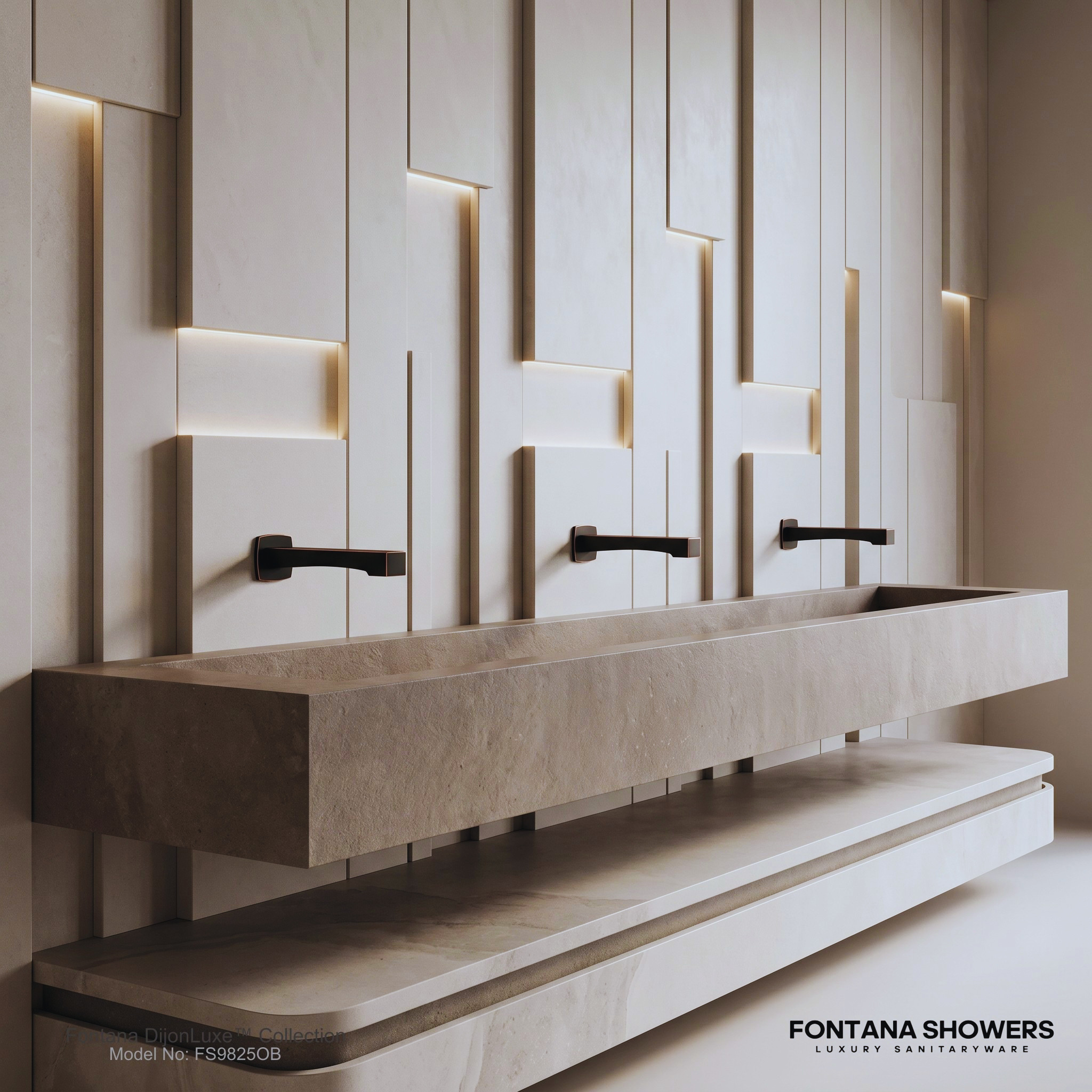
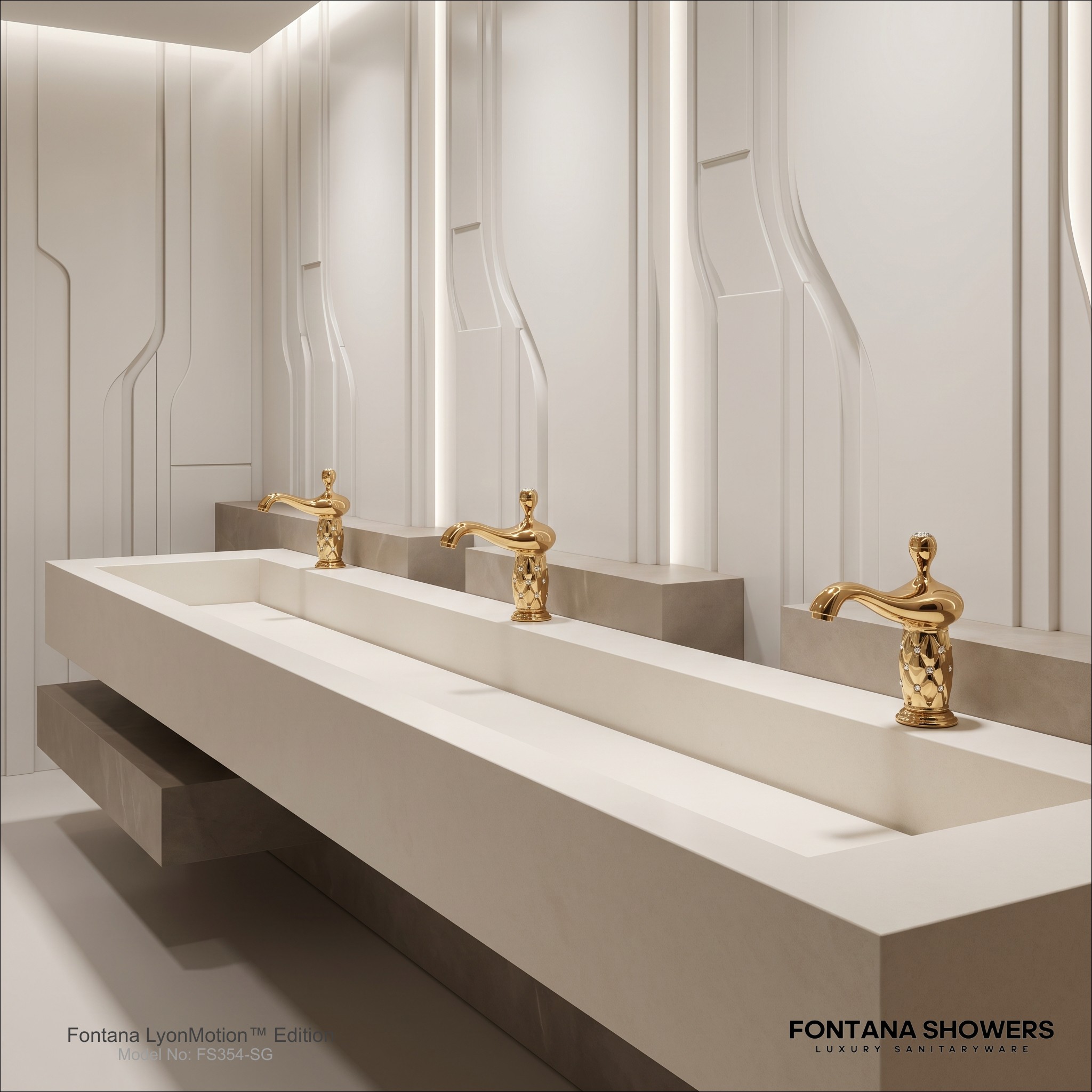
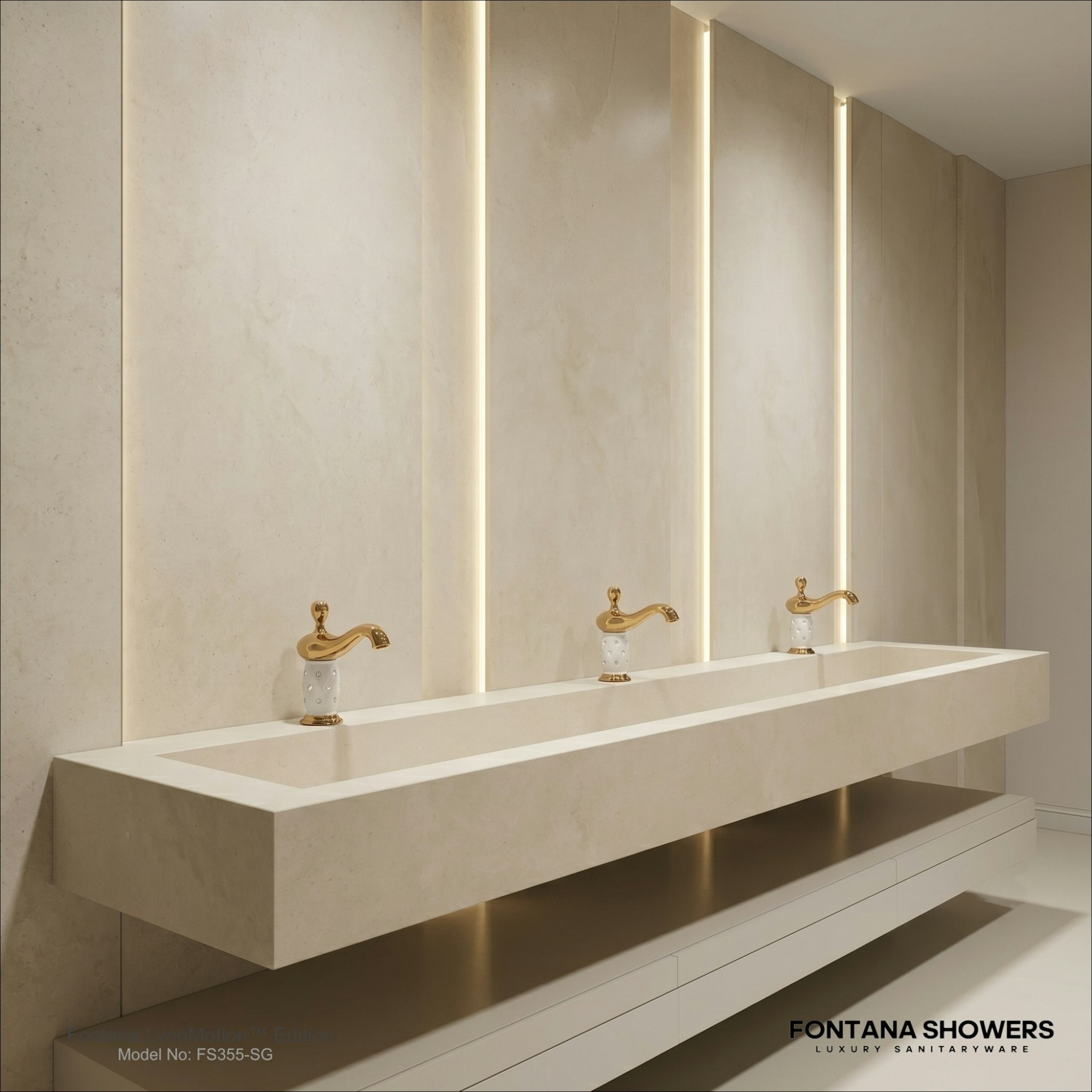
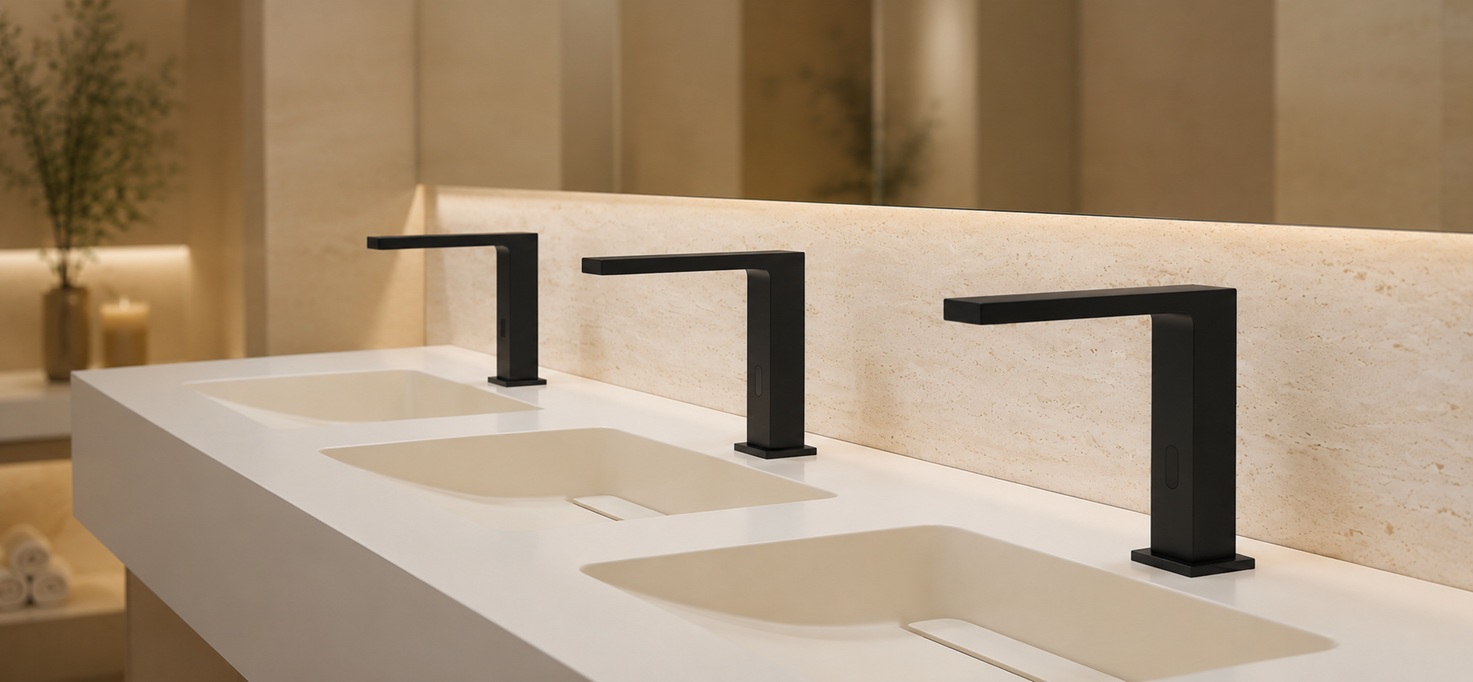
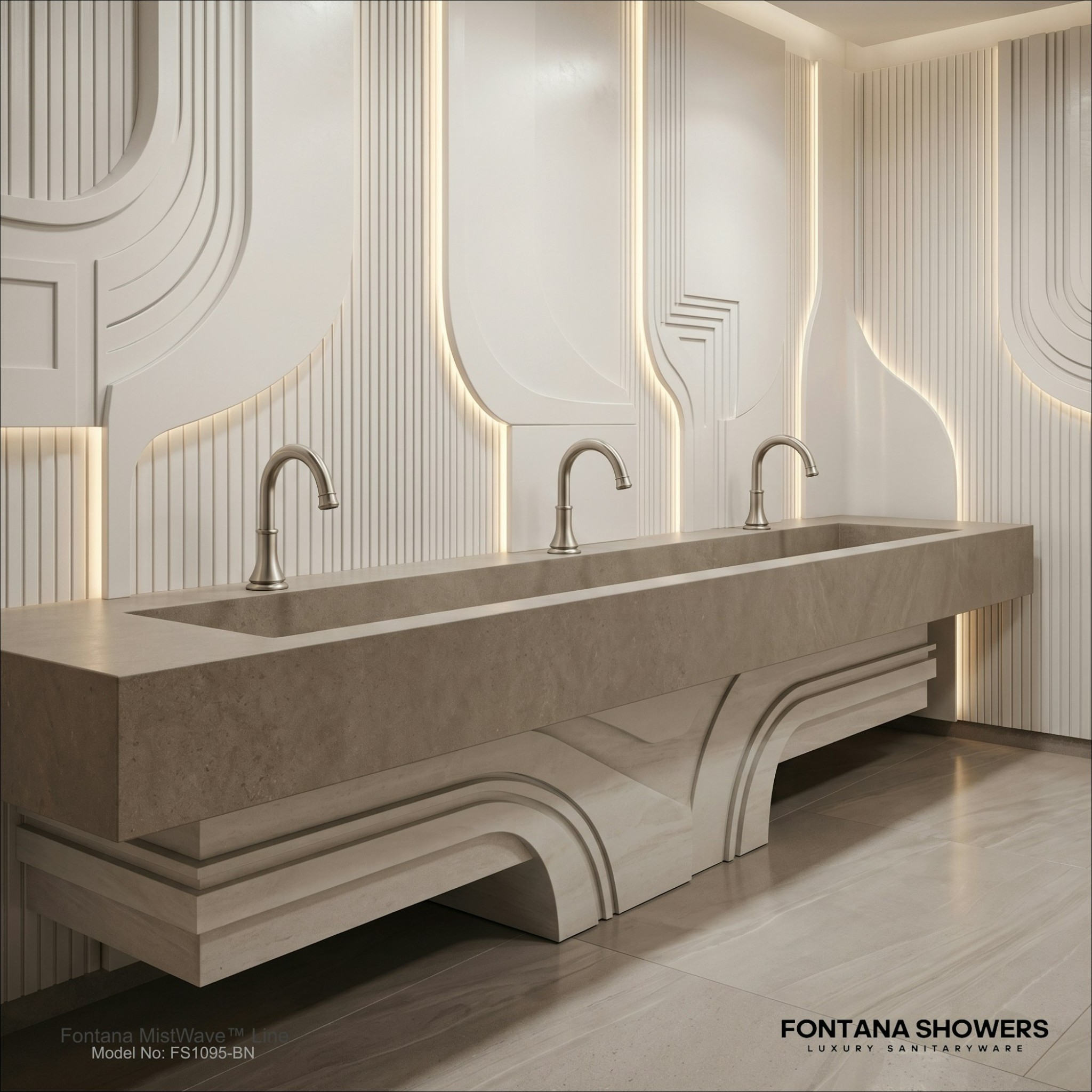
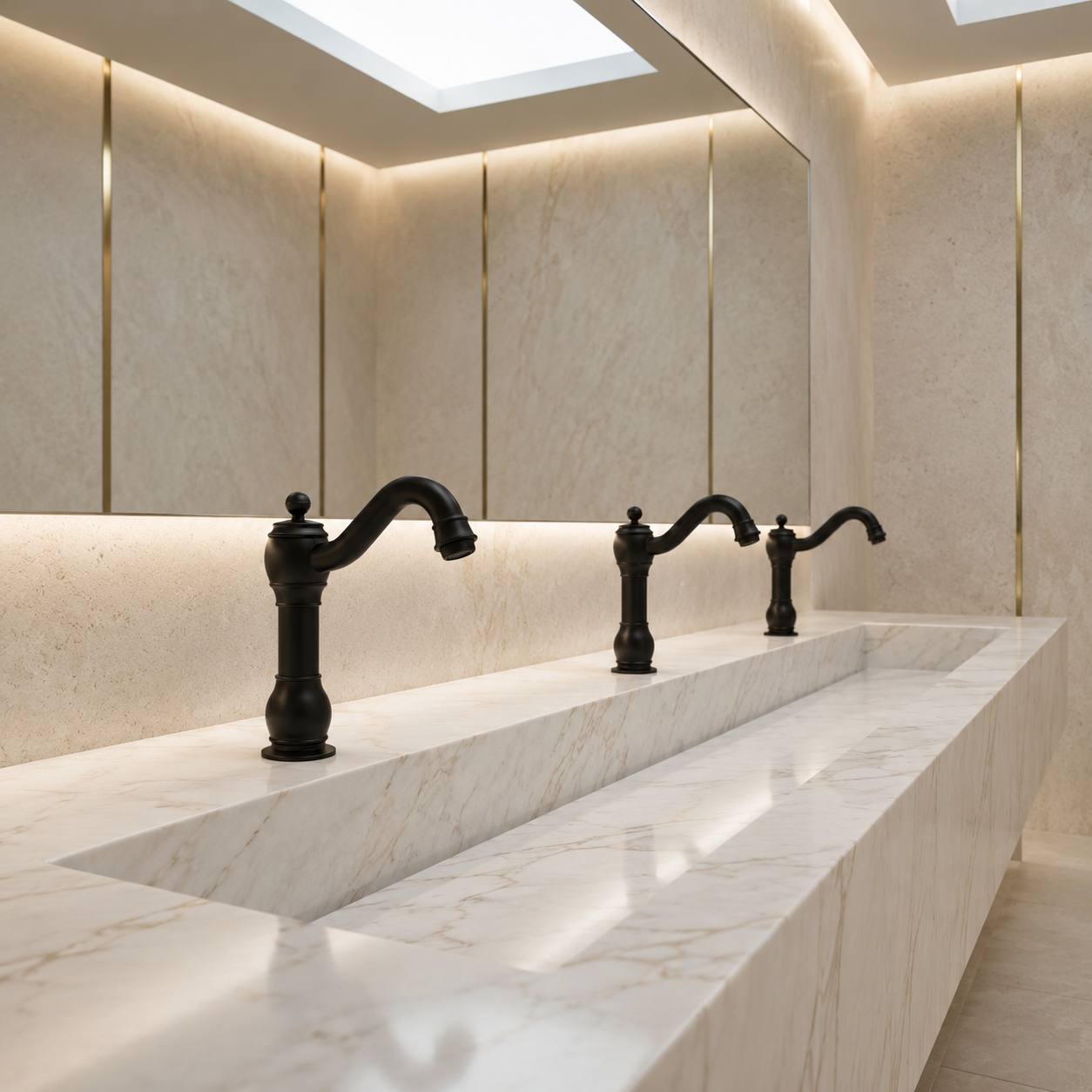
The added image frames support the same commercial restroom, aviation terminal, serviceability, and AEC specification context without changing the article’s core content.


What “Best” Means for a Specifier
In a research-based specification, “best” means the faucet is suited to the building’s operating profile. A luxury hotel restroom, an airport concourse, a hospital outpatient washroom, and a stadium restroom may all need touchless activation, but they do not carry the same traffic pattern, cleaning protocol, risk tolerance, maintenance access, or power strategy.

Performance fit
The faucet should activate consistently within the intended handwashing zone, shut off predictably, avoid splash, and maintain useful flow at the project’s design pressure.
Code fit
The assembly should align with accessibility, plumbing, water-efficiency, lead-content, electrical, and health-related requirements that apply to the jurisdiction and project type.

Operations fit
Service teams should be able to access the aerator, filter screen, battery or transformer, solenoid, mixing device, and sensor settings without destructive work or excessive restroom downtime.
Core Specification Criteria for Commercial Touchless Faucets
A commercial faucet schedule should not stop at finish, spout shape, or nominal flow rate. The stronger submittal package describes how the sensor, valve, power system, flow control, mixing approach, material compliance, and maintenance access will perform in the completed restroom.

Sensor field and shutoff logic
Specify adjustable sensing range where possible. Require a maximum run-time safety shutoff, stable activation at the basin depth, and validation under the actual counter material, sink finish, mirror placement, and lighting condition.
Flow control and splash control
Public lavatory applications commonly target low flow while preserving usable handwashing. The aerator or laminar outlet should be coordinated with bowl geometry so water lands in the basin instead of on the counter edge.

Power strategy
Battery, hardwired transformer, plug-in transformer, or hybrid power should be selected based on maintenance staffing, access-panel design, emergency operation expectations, and whether the restroom has dozens or hundreds of identical fixtures.

Solenoid and filter access
Solenoid valves, check valves, strainers, and filters should be reachable. When these parts are hidden behind millwork without an access strategy, a simple faucet issue can become a countertop or wall-access problem.

Temperature control
Clarify whether the faucet is cold-only, pre-mixed, or connected through a thermostatic mixing approach. The temperature strategy should match handwashing use, anti-scald expectations, energy goals, and the building water-management plan.
Material and certification records
Request documentation for plumbing supply fitting compliance, lead-content requirements, drinking-water contact materials, finish durability, and installation instructions that match the exact model and control-box configuration being installed.
Specifier Selection Matrix
Use this matrix during design development, construction documents, submittal review, mock-up testing, and facility handoff.
| Criterion | What to Require | Why It Matters | Evidence to Request |
|---|---|---|---|
| Sensor activation | Adjustable range, stable detection, safety shutoff, and false-trigger resistance. | Prevents user frustration, ghost activation, water waste, and restroom downtime. | Installation manual, commissioning steps, sensor range data, mock-up test notes. |
| Flow rate | Public lavatory flow appropriate to code, water budget, and handwashing performance. | Low flow alone is not enough; splash, user satisfaction, and pressure variation must be checked. | Flow data at design pressure, outlet device specification, replacement part number. |
| Accessibility | Forward approach, reach, knee/toe clearance, operable-part coordination, and fixture height compliance. | Sensor faucets still need to be positioned so users can activate water within accessible lavatory geometry. | ADA coordination drawings, sink/counter section, sensor location detail. |
| Serviceability | Accessible control box, filters, solenoid, power components, and shutoff valves. | Maintenance access often determines long-term success more than the visible faucet body. | Access-panel plan, O&M manual, spare parts list, underdeck clearance diagram. |
| Water safety | Flush protocol, temperature strategy, stagnation review, and compatibility with the building water management program. | Low-use periods, long branch lines, and underused lavatories can create water-quality concerns. | Commissioning checklist, facility water management notes, maintenance schedule. |
| Durability | Commercial-grade finish, tamper-resistant aerator, secure mounting, and vandal-resistant settings. | Airport, stadium, school, healthcare, and transit restrooms have more abuse and cleaning intensity than residential spaces. | Finish warranty, cleaning limitations, mounting detail, vandal-resistant accessory data. |
Commercial Restroom Case Applications
Airport and aviation-terminal restrooms
Prioritize uptime, fast activation, durable finishes, clear handwashing zones, service access, and repeatable commissioning across many identical sink stations.
Healthcare outpatient restrooms
Prioritize cleanability, water-management coordination, predictable temperature, infection-control review, and staff-friendly service protocols.
Office and workplace restrooms
Prioritize user comfort, energy-conscious hot-water strategy, low maintenance burden, accessible geometry, and balanced flow performance.
Stadiums, campuses, and transit hubs
Prioritize high-duty-cycle components, vandal resistance, quick part replacement, tamper-resistant outlets, and strong drainage coordination.
Common Failure Modes to Prevent
Most commercial sensor faucet problems are predictable. The design team can reduce them by requiring a mock-up, documenting commissioning settings, and aligning the faucet package with the sink, countertop, soap location, lighting, and maintenance access.
False activation
Reflective basins, polished counters, user movement near the sink, or oversized sensor range can trigger unwanted flow. Require sensor adjustment and final field testing.
No activation
Deep basins, poor sensor angle, dark materials, weak batteries, or improper control-box wiring can make the faucet feel unreliable. Require installed-condition validation.
Run-on complaints
A slow shutoff may be acceptable in one building and unacceptable in another. State the desired behavior, safety shutoff, and reset method in commissioning records.
Splash and counter wetting
Faucet reach, outlet angle, flow device, and basin geometry must be coordinated. The “best” faucet can still fail when paired with the wrong sink profile.
Battery burden
Battery fixtures can work well, but large portfolios need a replacement plan. Terminal and campus projects often benefit from hardwired or hybrid strategies where access is difficult.
Service blind spots
A hidden solenoid or inaccessible strainer can turn routine service into a construction issue. Require access drawings before approval.
Authority Sources for AEC Review
These source buttons support the research basis for accessibility, water efficiency, plumbing fittings, drinking-water materials, water-management planning, and aviation-terminal context.
Internal research hub
BestTouchlessFaucets.com pages support touchless faucet review, technical purpose, commercial restroom guidance, and reader navigation.
Internal comparison references
Related BestTouchlessFaucets.com posts provide commercial fixture comparison context for faucet, dispenser, and high-traffic restroom review.
Accessibility
Lavatory faucet placement should be reviewed with accessible lavatory clearances, approach, height, and operable-part requirements.
Water efficiency
Public lavatory faucets should be evaluated by flow rate, pressure, performance, and project water budget rather than by residential-only assumptions.
Plumbing and materials
Submittals should document relevant plumbing supply fitting requirements and drinking-water contact material standards.
Building water risk
Commercial faucet decisions should coordinate with the building water management program, especially in healthcare, hospitality, campus, and low-use zones.
Airport context
Aviation terminal restroom specifications should align faucet reliability with passenger flow, accessibility, maintenance planning, and airport facility operation.
Green building coordination
Indoor water reduction goals should be coordinated with actual fixture schedules, pressure assumptions, metering strategy, and owner operations.
Specification practice
Fixture choices can be checked against plumbing engineering references, building owner goals, and facility-management service expectations.
FAQ for Specifiers
What is the best touchless faucet for a commercial restroom?
The best touchless faucet is the one that fits the project’s use pattern, pressure range, accessibility geometry, cleaning protocol, maintenance access, power plan, and commissioning requirements. A brand-neutral specification should compare documented performance rather than marketing claims.
Are public lavatory faucets WaterSense labeled?
EPA currently distinguishes private lavatory faucet labeling from public lavatory faucet use. For commercial public restrooms, specifiers should still evaluate flow efficiency, but they should not assume that every public lavatory faucet falls under the same WaterSense label pathway as private bathroom sink faucets.
Why does aviation faucet engineering matter for airport restrooms?
Airport restrooms combine heavy peak traffic, accessibility needs, cleaning frequency, luggage impacts, queue pressure, and limited maintenance windows. Those conditions make sensor reliability, quick shutoff, vandal resistance, and underdeck service access especially important.
Should commercial touchless faucets be battery-powered or hardwired?
Battery power can reduce electrical coordination and simplify some retrofits. Hardwired or hybrid power can reduce battery maintenance in large public projects. The best choice depends on fixture count, access, owner staffing, emergency expectations, and long-term maintenance planning.
What should be tested during commissioning?
Test activation range, false triggering, shutoff timing, flow rate at project pressure, splash control, temperature delivery, service access, power operation, and replacement-part documentation. Keep the results with the owner’s O&M records.